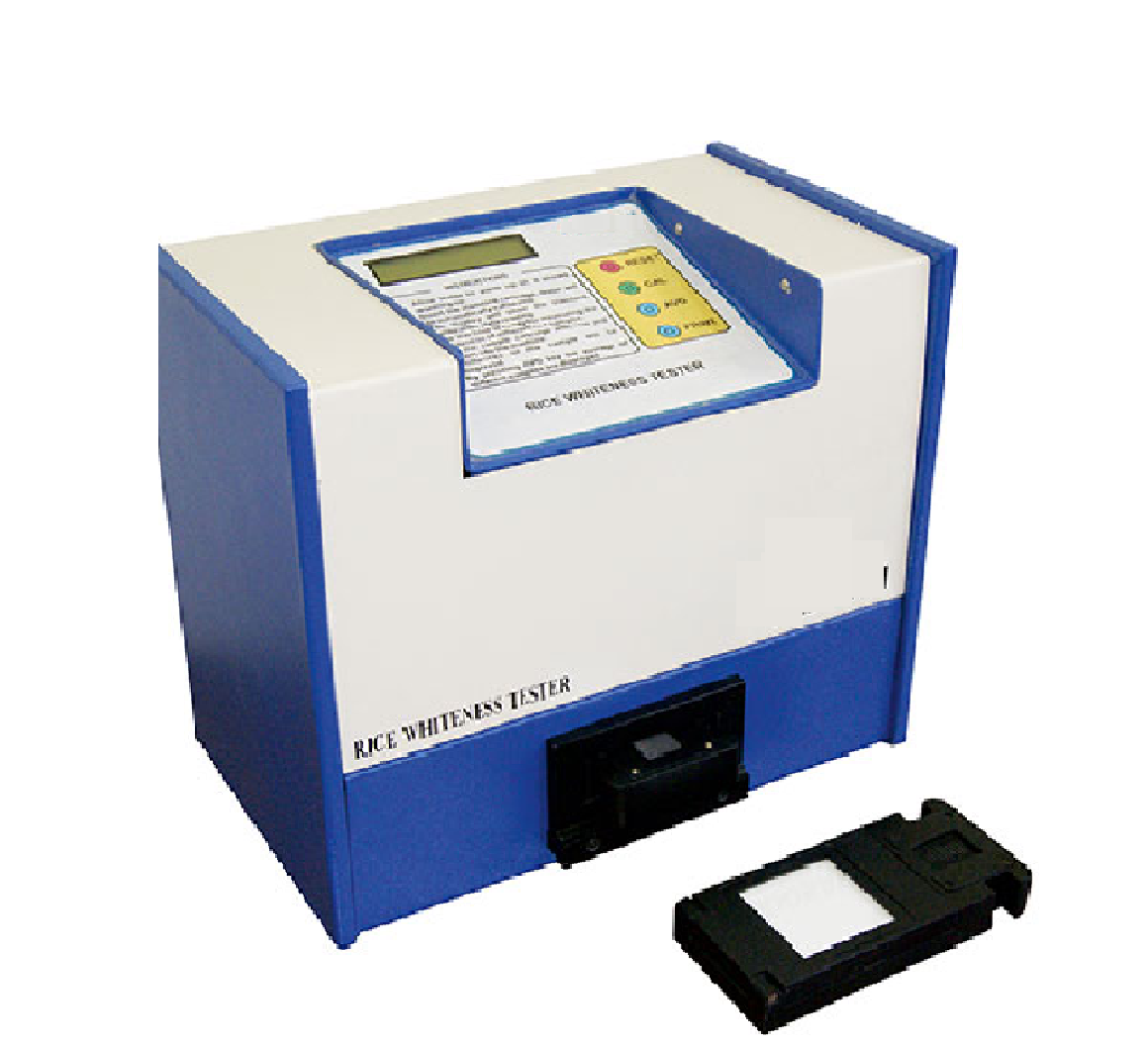
Importance of Measuring Rice Whiteness
- Quality Control: Rice whiteness is a key quality parameter. Rice that is too white may have been excessively milled, potentially affecting flavor and nutritional value. Conversely, rice with more bran may be considered less processed but could be more nutritious.
- Processing Standards: Milling processes aim to achieve a balance between removing the outer bran layers and retaining the grain’s nutritional value. Whiteness measurements help ensure consistency in processing standards.
- Consumer Preferences: Market preferences can vary; some consumers prefer rice that is very white, while others might seek less processed, more opaque varieties. Whiteness testers help producers meet these market demands.
Technical Specifications
Measurement parameter | Whiteness. |
Measurement Range | 5.0-70.0%. |
Resolution | 0.1. |
Accuracy | 0.5% or Better. |
LCD | Alphanumeric 16×2 (Character) Jumbo Size with Backlit to display Value, Average Value and Sample No. |
Light Reflection | Based with stabilized LED circuitry. |
Suitability | For Brown Rice, Milled Rice and Pre-washed Rice(glutinous and non-glutinous). |
Power Source | 220 VAC (50/60 Hz) ± 10%, Single phase . |
Port | RS232 |